
People usually realize how inconvenient PDF software can be at the exact moment they need to do something very small.
Add a logo. Put “Confidential” across a few pages. Brand a client document before sending it. Something that sounds like it should take thirty seconds somehow turns into downloading software, creating an account, watching export settings appear everywhere, then trying to figure out why the watermark ended up in the wrong place.
That was normal for years.
A lot of older PDF editors were designed around enterprise workflows and professional publishing. They worked, but they also made simple tasks feel heavier than necessary. Most people never needed half the tools inside those programs anyway.
Now the process looks different. Browser-based editors changed expectations completely. Users want speed. They want clarity. They want to open a file, make a small edit, save it, and close the tab.
That shift is one of the reasons online watermark tools became so common among freelancers, educators, creators, agencies, and small businesses. Watermarking is no longer a niche publishing feature. It quietly became part of everyday online work.
Some tools focus on fast editing. Others are better for branding or batch processing. A few work surprisingly well on mobile devices. The platforms below stand out because they make the process feel less frustrating than traditional PDF software.
What makes a watermark tool feel genuinely easy to use?
People often talk about features when comparing PDF software, but ease of use usually comes down to something much simpler.
How long does it take before the user understands what to do?
Some platforms answer that question immediately. Others bury simple actions behind menus, tabs, and export settings that slow everything down.
The easier tools usually have a few things in common:
- Fast uploads
- Clear controls
- Simple editing flow
- Reliable exports
- Support for logos and text
- Mobile access
- Minimal setup
A clean interface matters more than companies like to admit. If somebody opens the editor and feels confused within the first minute, the software already created friction.
The platforms people return to are usually the ones that remove steps instead of adding more.
1. Watermarkly
Watermarkly feels different from traditional PDF editors almost immediately because the workflow stays focused on watermarking itself.
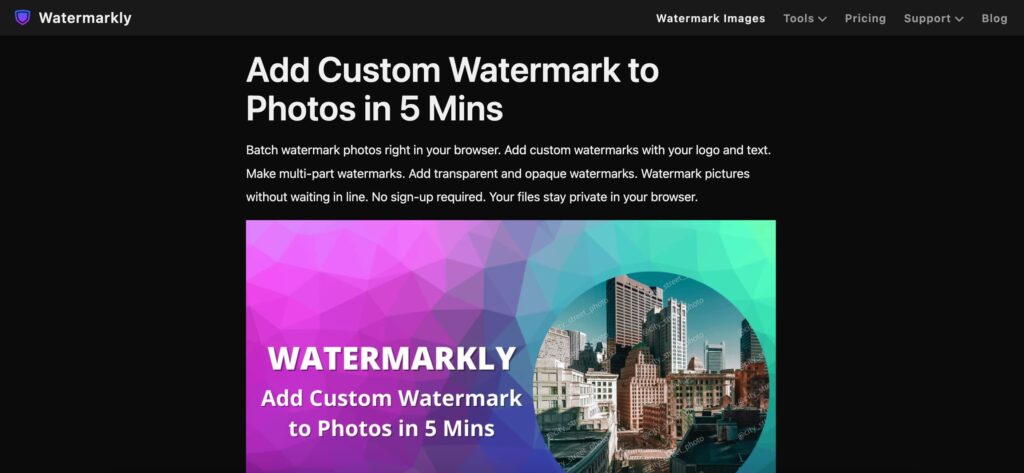
A lot of larger platforms try to combine every possible document tool inside one interface. That approach often creates clutter. Watermarkly avoids that problem by keeping the process straightforward from the beginning.
Users upload the file, choose a text or image watermark, adjust the appearance, and export the result.
The editor supports:
- Text watermarks
- Logo overlays
- Opacity controls
- Flexible positioning
- Font adjustments
- Rotation settings
- Repeating watermark layouts
The controls are visual and easy to understand, even for people who rarely work with PDFs.
That simplicity matters more than it sounds. Many users do not want to spend time learning software just to protect a document or add branding to a file.
Watermarkly also works smoothly across desktop browsers, phones, and tablets, which makes it useful for people who handle documents remotely.
The platform fits naturally into workflows involving:
- Client proposals
- Educational resources
- Downloadable products
- Internal reports
- Worksheets
- Branded PDFs
Another practical detail is language support. Watermarkly is available in multiple languages, and the interface stays consistent regardless of device.
The free version places Watermarkly branding on exported files, while the mobile app allows limited watermark-free exports after watching an ad.
2. iLovePDF
Many people already know iLovePDF because of its compression and conversion tools, so the watermark feature often feels familiar right away.
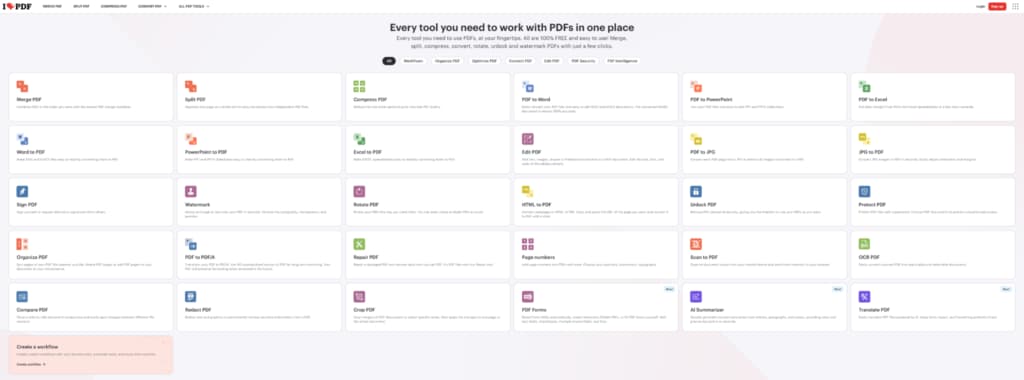
The platform keeps the workflow simple. Uploading files is fast, and the controls are easy to spot without searching through menus.
The process itself looks pretty straightforward:
- Upload the file
- Add the watermark
- Adjust the placement
- Download the result
iLovePDF includes:
- Text overlays
- Image watermarks
- Opacity controls
- Page selection tools
- Cloud integrations
Because the platform combines several document tools in one place, people often continue using it for tasks beyond watermarking.
3. Sejda
Sejda feels a little more detailed than lightweight browser editors, though it still avoids the overwhelming feeling common in older PDF software.
People who need more control over placement usually appreciate the additional flexibility.
Its watermarking tools include:
- Flexible positioning
- Custom page ranges
- Text and image support
- Transparency settings
- Layered overlays
The interface feels structured without becoming crowded.
Sejda works especially well for reports, presentations, and business documents where layout precision matters more than quick, casual editing.
4. Smallpdf
Smallpdf focuses heavily on usability, and the interface reflects that almost immediately.
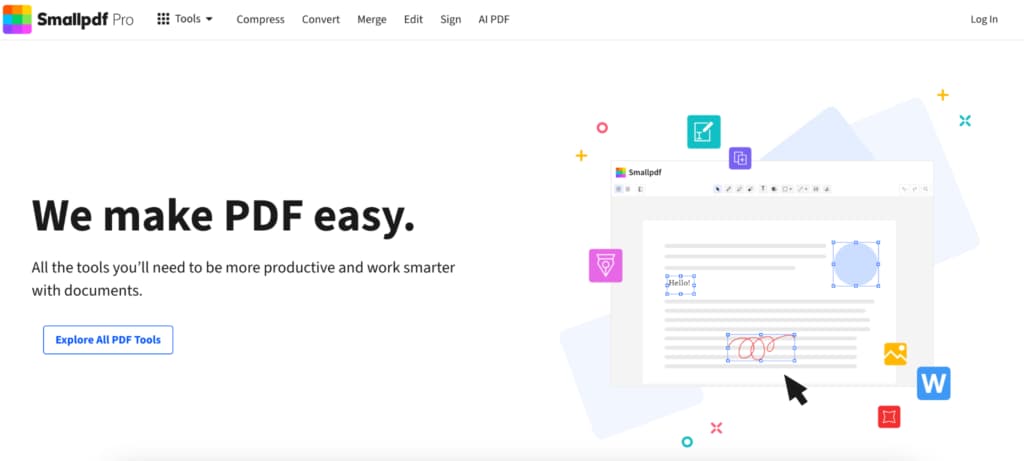
The layout stays clean without looking empty. Most controls appear exactly where users expect them to be.
The watermark editor allows adjustments for:
- Placement
- Transparency
- Rotation
- Scaling
Smallpdf also connects with services like Google Drive and Dropbox, which makes remote document handling easier.
The platform feels especially comfortable for people who only edit PDFs occasionally and do not want to learn advanced tools.
5. PDFgear
PDFgear became more visible recently among users looking for free PDF software that still feels modern.
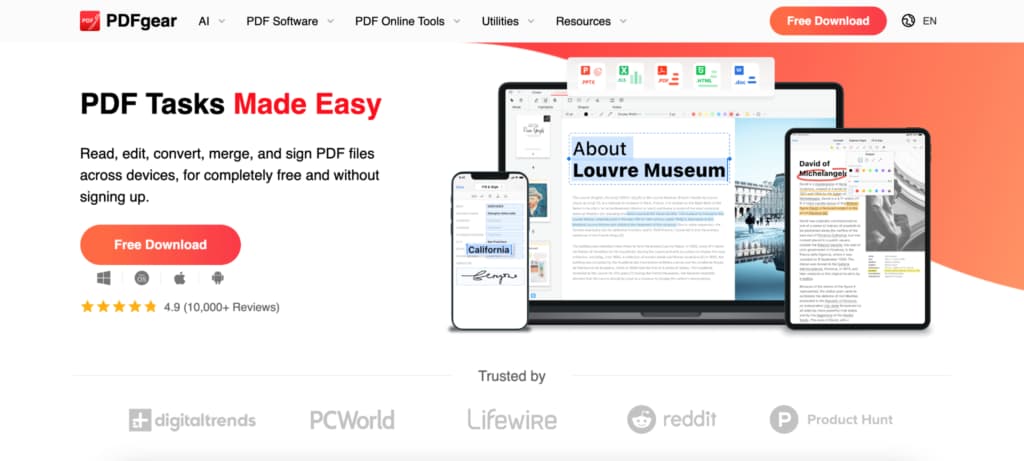
Unlike some browser-only editors, PDFgear also offers desktop applications while keeping the interface relatively approachable.
Its watermarking features include:
- Logo insertion
- Text overlays
- Transparency controls
- Font settings
- Page management tools
The platform leans slightly more toward office productivity than creator workflows, though the layout still feels accessible for casual users.
For people switching between browser editing and desktop work, that flexibility can be useful.
6. PDF Candy
PDF Candy combines several document tools inside one platform without making the interface feel overloaded.
The watermark editor supports:
- Text watermarks
- Image overlays
- Size adjustments
- Rotation controls
- Opacity settings
One reason people tend to like PDF Candy is that the platform feels approachable instead of corporate.
It also works well for users who regularly handle tasks such as:
- Compressing PDFs
- Rearranging pages
- Splitting documents
- Converting file formats
Keeping everything together in one place simplifies smaller editing workflows.
7. AvePDF
AvePDF is not always mentioned alongside larger PDF brands, though the watermarking workflow feels smoother than many people expect.
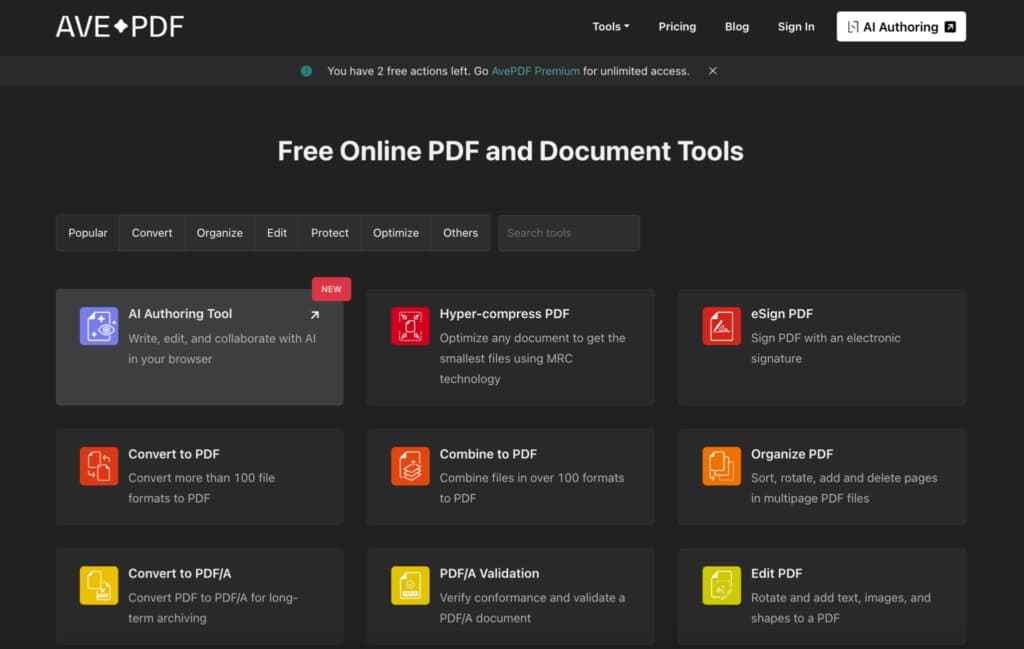
The interface stays lightweight and responsive, which helps when somebody just wants to finish a quick edit and continue working.
AvePDF includes:
- Drag and drop uploads
- Text watermarking
- Image overlays
- Transparency controls
- Positioning tools
Because the platform avoids clutter, the learning curve stays fairly low even for first-time users.
8. Canva
Canva is not technically a dedicated PDF watermarking platform, but creators use it for that purpose quite often.
It works especially well for visually branded materials such as:
- Ebooks
- Templates
- Worksheets
- Presentations
- Downloadable guides
Users can upload PDFs, place logos or text overlays, then export updated versions while maintaining visual consistency.
Compared to traditional PDF editors, Canva gives much more design flexibility.
At the same time, it is not always the fastest solution for handling large numbers of files.
9. Soda PDF
Soda PDF sits somewhere between lightweight browser editors and larger office-oriented PDF software.
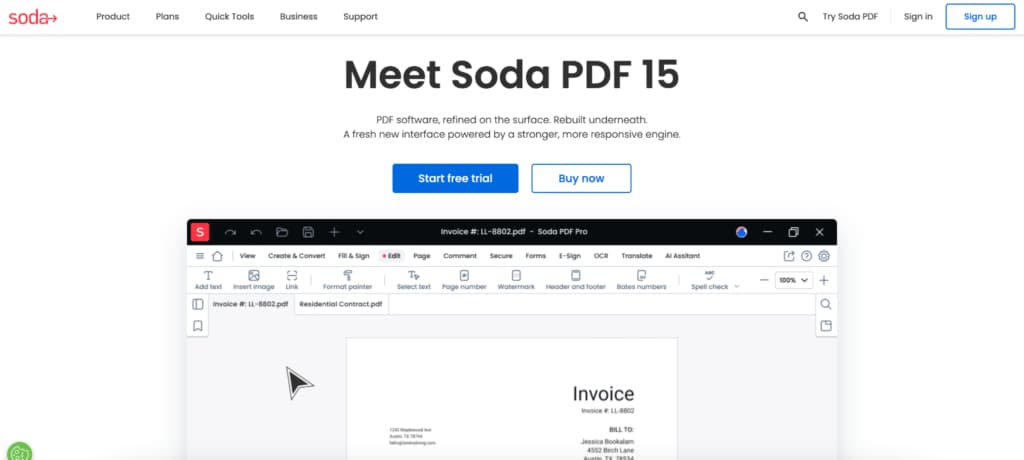
Its watermarking tools fit naturally into business workflows involving contracts, reports, and internal documents.
The platform includes:
- Watermark templates
- Page targeting
- Cloud integration
- Document organization tools
- Batch processing support
Even though Soda PDF includes more functionality than minimalist editors, the interface still feels manageable for non-technical users.
10. Visual Watermark
Visual Watermark is more closely associated with image protection, though it also handles document watermarking fairly well.
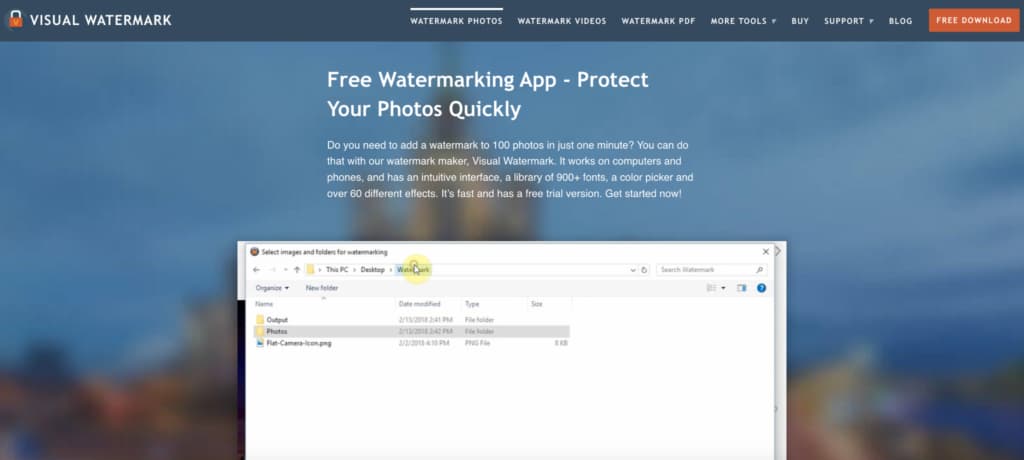
The platform focuses heavily on branding customization.
Users can create:
- Logo overlays
- Repeating watermark layouts
- Transparent branding elements
- Styled typography
- Full-page patterns
Because of that visual emphasis, the platform appeals strongly to creators, photographers, and digital product sellers.
Watermarking became part of normal online work without people noticing
A few years ago, watermarking felt like something connected mainly to copyright protection.
Now it appears almost everywhere.
Teachers watermark learning materials before uploading them online. Freelancers’ brand proposals and presentations. Agencies label internal documents. Real estate companies place logos on brochures and reports.
Digital creators often use watermarks for visibility as much as protection because branded files continue circulating online long after the first download.
As remote work became more common, watermarking quietly turned into a routine part of handling digital documents.
Common watermark mistakes that make documents look messy
Adding a watermark sounds simple, though small design decisions can affect how professional the document looks afterward.
Some mistakes appear repeatedly:
- Oversized logos
- Watermarks covering text
- Extremely dark overlays
- Low-quality images
- Inconsistent placement
- Excessive branding
Subtle watermarks usually work better than aggressive ones. Most of the time, the goal is simply to identify ownership or discourage unauthorized sharing without making the document difficult to read.
The type of file matters too. A workbook, legal contract, and marketing presentation all need different approaches.
Choosing the right tool depends more on workflow than features
The best watermark tool is not always the one with the largest feature list.
Different users care about different things:
- Fast exports
- Mobile compatibility
- Branding flexibility
- Batch processing
- Privacy settings
- Collaboration support
A freelancer sending occasional proposals usually needs something very different from a team processing hundreds of documents every week.
The most useful platforms are usually the ones that fit naturally into existing workflows without slowing people down.
People usually stick with the tools that waste the least time
Most users searching for a PDF watermark tool are not trying to build complicated publishing workflows. They simply want a practical way to protect or label documents without unnecessary friction.
That is one reason browser-based editors became so common. They fit modern work habits better than large desktop applications for everyday tasks.
Some tools focus more on branding flexibility. Others lean toward productivity and document management. Watermarkly stands out because the workflow feels uncomplicated from the beginning, especially for freelancers, educators, creators, and small businesses that need something intuitive.
In practice, convenience matters more than endless functionality. People usually return to the software that lets them finish the task quickly and continue with work.